China offers visitors an extraordinary journey through time, where the grandeur of ancient civilizations is reflected in its towering historical landmarks and rich cultural heritage. From mighty walls that tell tales of defense, to imperial cities that witnessed the zenith of power, and arts that embody the Chinese spirit, China is a living museum that allows travelers to immerse themselves in the authenticity of the past.
China’s Historical and Cultural Treasures
China is home to unparalleled historical and cultural sites, each of which reveals chapters of a profound and ancient civilization. These sites are not merely old structures—they are living testaments to the evolution of Chinese civilization and its global influence.
The Great Wall of China: A Symbol of Grandeur and Sacrifice
The Great Wall of China is one of the world’s most iconic tourist attractions and a major symbol of Chinese heritage. Recognized as one of the New Seven Wonders of the World, parts of the Wall date back to the 7th century BCE, with construction and development continuing until the 17th century CE. Spanning approximately 21,196 kilometers, it is the largest ancient architectural project in the world. The Wall symbolizes ancient China’s strength and culture, playing a critical role in defending the northern borders and securing key trade routes like the Silk Road. Most of the remaining sections were built by the Ming Dynasty, giving the Wall its current form.
Statistics show that the Great Wall attracts millions of visitors annually—over 10 million in recent years, with some estimates reaching 16 million yearly. This immense visitor flow proves that the Wall is not just an ancient structure, but a living embodiment of China’s history and sacrifices, translating into substantial economic and touristic value. Ongoing restoration and maintenance efforts demonstrate China’s dedication to preserving this legacy, ensuring its continued cultural and economic significance for future generations.
The Forbidden City in Beijing: Heart of Imperial China
Located at the heart of Beijing, the Forbidden City is the world’s largest imperial palace complex, having housed emperors and their families since the 15th century during the Ming Dynasty. Spanning approximately 720,000 square meters, it is surrounded by a 52-meter-wide moat, 6 meters deep, and fortified with 7.9-meter-high walls.
Traditionally, the Forbidden City is divided into two main parts: the Outer Court, used for ceremonial purposes, and the Inner Court, which was the emperor’s residence and administrative hub. The city’s vast scale and intricate design reflect the absolute authority and structured governance of imperial China. Its spatial organization offers a tangible understanding of the social and political structure of that era. In 2019 alone, the Forbidden City welcomed 19.3 million visitors, making it one of Beijing’s top attractions. The fact that it was once “forbidden” to the general public adds mystery and allure, making visits a unique opportunity to uncover imperial secrets.
The Terracotta Army in Xi’an: Eternal Guardians of the Emperor
The Terracotta Army, located in Xi’an, is part of the mausoleum of Emperor Qin Shi Huang (209–210 BCE). Commissioned by the emperor in 246 BCE, construction took 36 years and involved around 700,000 workers. The army consists of thousands of unique clay statues of soldiers and horses, with no two figures being identical, showcasing extraordinary artistic craftsmanship and detail. This army was intended to protect the emperor or help him build an empire in the afterlife.
The Terracotta Army offers deep insight into ancient Chinese beliefs about the afterlife and imperial authority. The massive scale and individual artistry of each figure highlight a high level of craftsmanship and philosophical depth. Adding to the site’s appeal is the fact that much of it remains undiscovered for preservation reasons, imbuing it with mystery and ongoing discovery potential. Visitors are captivated by these majestic statues and are advised to wear comfortable shoes and bring water, hats, sunglasses, and sunscreen for the best experience.
World Heritage Cities: Old Lijiang and Pingyao
China’s historic cities add another layer to its cultural allure, with some preserving their original urban fabric and rich histories.
Old Lijiang City: Located in Yunnan Province, this UNESCO World Heritage site is renowned for its well-preserved architecture and unique Naxi minority culture. Its architecture blends multiple cultural influences developed over centuries, and it boasts an ancient, complex water supply system that still functions today. With a history exceeding 2,000 years, Lijiang features traditional homes, alleys, gates, and the Mu Palace. Its preservation of intangible heritage—such as Dongba culture and Naxi script—demonstrates that these cities are living entities narrating urban and social evolution.
Old Pingyao City: Also a UNESCO World Heritage site, Pingyao retains its layout and design from the Ming and Qing dynasties. The city houses over 300 archaeological sites and around 4,000 historical-style residences. In the late Qing Dynasty, Pingyao was a major financial hub, home to nearly 20 financial institutions—half the country’s total—featuring China’s first bank, “Rishengchang.” Built in 1379, the city’s ancient walls are among the best-preserved, measuring about 6 km long and 12 m high, with 72 watchtowers. Both Lijiang and Pingyao show that heritage preservation goes beyond buildings to include infrastructure and historical economic functions, offering deeper insight into Chinese life over time.
Immersive Cultural Experiences
Tourism in China extends beyond historical site visits to engaging with its vibrant living culture through traditional arts and festivals that offer unforgettable experiences.
Traditional Arts: Beijing Opera, Chinese Calligraphy, and Tea Ceremony
These traditional arts provide a window into China’s philosophical and aesthetic soul, allowing visitors to engage directly with this heritage.
Beijing Opera: A national treasure of China and part of UNESCO’s Intangible Cultural Heritage, Beijing Opera traces its roots to the Tang Dynasty (8th century) and developed into its current form in 1790. It combines singing, dancing, acting, acrobatics, and martial arts. The colorful costumes symbolize specific character traits—red for loyalty and courage, for example. Tourists can watch shorter performances, typically an hour, with English subtitles. Famous venues include Li Yuan Theater (reopened in April 2024 after a six-year hiatus) and Zhengyici Theater (established in 1688). Visitors can also go backstage to witness makeup and costume preparation, and take photos with performers, enhancing their appreciation of the art.
Chinese Calligraphy: More than a writing method, calligraphy is an art form with over two millennia of history. Using brush and ink, calligraphy emphasizes fluidity and beauty in characters, reflecting philosophies like Taoism and Confucianism. There are five major styles: seal, clerical, regular, running, and cursive. The “Four Treasures of the Study”—brush, ink stick, paper, and inkstone—are essential tools. Tourists can join workshops, such as those in Shanghai, to learn basic calligraphy and create their own artworks. These 1.5-hour sessions, often led by English-speaking experts, provide deeper cultural understanding and a unique keepsake.
Chinese Tea Ceremony: A traditional ritual rich in cultural significance, tea ceremonies emphasize respect, harmony, and mindfulness. As the birthplace of tea, China regards tea as a vital aspect of Taoist practice, believed to enhance the “shen” (spirit) and cultivate moral character and emotional balance. Ceremonies involve tasting teas like oolong, pu-erh, green tea, jasmine, and flower teas. Tea masters guide guests through appreciating tea aroma, water temperature, and steeping timing, creating a holistic sensory experience. Visitors in Beijing can attend these ceremonies. The Ministry of Culture and Tourism’s global “Tea for Harmony” initiative aims to promote cultural understanding through tea and dialogue.
Such interactive experiences—watching Beijing Opera backstage, crafting calligraphy, or participating in a tea ceremony—transform passive observation into active engagement, deepening cultural understanding and creating memorable, personal travel experiences. This shift toward experiential tourism fosters intercultural understanding and appreciation of China’s aesthetic and philosophical values.
Traditional Festivals: Chinese New Year and Mid-Autumn Festival
Traditional Chinese festivals are a true reflection of the nation’s spirit, offering tourists unique opportunities to immerse in local celebrations and age-old customs.
Chinese New Year (Spring Festival): The most important Chinese festival, it lasts 15 days starting from the lunar New Year. Customs include cleaning homes to remove bad luck, avoiding hair washing on the first day (as “hair” sounds like “prosperity”), and refraining from buying books. Major public celebrations feature fireworks, lion and dragon dances. In Hong Kong, tourists can attend the annual horse race at Sha Tin, make wishes at Lam Tsuen Wishing Trees, visit Wong Tai Sin and Che Kung temples for blessings, and explore vibrant flower markets. Hotels and restaurants offer special menus, celebrating family reunions.
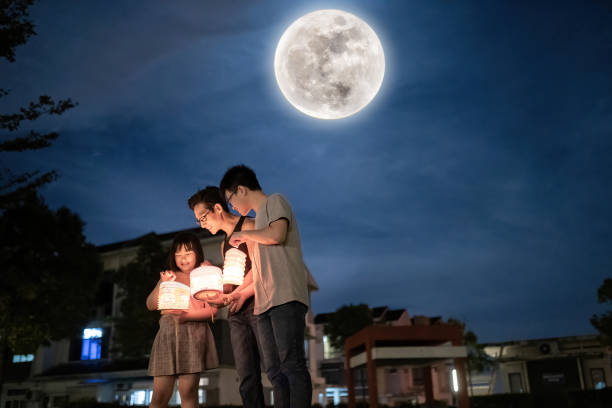
Mid-Autumn Festival: Celebrated on the 15th day of the 8th lunar month (September or early October), this festival centers on family reunions, moon gazing, and mooncake eating. Tourists can enjoy lantern displays in parks, like Victoria Park in Hong Kong, and witness the iconic Tai Hang Fire Dragon Dance, with a massive incense-covered dragon parading through streets amid fireworks and drums. Visitors can also taste diverse mooncakes or join workshops to make them.
These festivals drive cultural tourism and community engagement. More than traditional events, they are major tourist attractions offering authentic experiences, boosting local economies through spending on events and traditional products.
Chinese Cuisine: A Culinary Journey Across Eight Regions
Chinese cuisine, among the world’s oldest and most diverse, dates back thousands of years. More than satisfying hunger, it drives tourism and promotes destinations. Authentic Chinese food positively influences travelers’ behavior, as many see local food as essential to cultural understanding. Reports show Chinese tourists increasingly spend more on food and drink during travel.
Divided into eight major schools, Chinese cuisine reflects the nation’s geographical, climatic, and cultural diversity, each with unique flavors, ingredients, and techniques.
Table: The Eight Major Chinese Cuisines
| Cuisine | Region | Key Features | Signature Dishes |
|---|---|---|---|
| Sichuan | Sichuan | Spicy, numbing (“mala”), bold flavors | Mapo tofu, Kung Pao chicken, hotpot |
| Cantonese | Guangdong | Fresh ingredients, precise techniques, mild sweet | Dim sum, Char siu, steamed fish |
| Shandong | Shandong | Fresh seafood, umami, imperial style | Peking duck (roots), sea cucumber, sweet-sour carp |
| Hunan | Hunan | Very spicy, rich flavors | Spicy Hunan pork |
| Fujian | Fujian | Light, pure flavors, seafood, soups | Buddha Jumps Over the Wall |
| Zhejiang | Zhejiang | Fresh, soft, light, non-greasy | West Lake vinegar fish |
| Jiangsu | Jiangsu | Elegant, refined, fresh ingredients | (Complex, high-end dishes) |
| Anhui | Anhui | Wild game, mountain foods, slow-cooked | (Mountain-ingredient dishes) |
These cuisines serve as cultural bridges, encouraging exploration through taste. Their authenticity and unique flavors prompt tourists to travel further, increasing stays and spending. This directly links culinary appeal with tourism sector growth, making “food tourism” a strategic tool. In addition to regional cuisines, many popular Chinese dishes enhance the culinary experience: fried rice, chow mein, spring rolls, congee, stinky tofu, wonton soup, Chinese dumplings, sweet and sour chicken.
Tips for an Authentic Cultural Journey
To enrich the Chinese travel experience, it helps to understand and respect local customs and traditions—small details that are key to smooth social interaction and avoiding misunderstandings.
Tipping: Generally not practiced and may be considered offensive. Chinese people take pride in their work and prefer not to be seen as needy.
Public Affection: Friends may hold hands or walk arm-in-arm; this is not necessarily romantic but a sign of friendship.
Staring and Photos: In less touristy areas, locals may stare or ask for photos out of curiosity about foreigners.
Fair Skin: Fair skin is linked to higher status; sun exposure was historically associated with laborers. Thus, umbrellas are common even on sunny days.
Napping: Naps are routine, especially after lunch—even in public.
Chopsticks: Never stick chopsticks upright in rice—it resembles incense used at funerals.
Tea Refills: Refill others’ cups before your own; tap the table lightly to show gratitude.
Pointing: Pointing with one finger is rude; use an open hand.
Understanding and respecting these customs ensures smoother experiences, promotes mutual understanding, and portrays respect for local culture. This fosters positive travel experiences and word-of-mouth, enhancing China’s image as a hospitable destination.
Table: Major Historical and Cultural Tourist Sites in China
| Destination | Key Attractions | Historical/Cultural Significance | Approx. Annual Visitors |
|---|---|---|---|
| Great Wall | Badaling section, watchtowers, fortresses | Ancient defense, Silk Road protection, power symbol | 10–16 million |
| Forbidden City (Beijing) | Thousands of halls, moats, imperial gardens | Imperial residence, political center, largest palace complex | 19.3 million (2019) |
| Terracotta Army (Xi’an) | Thousands of unique warrior/horse statues | Afterlife protection, grand architecture, artistry | Major site (no exact number) |
| Old Lijiang City | Preserved buildings, ancient water system, Naxi culture | UNESCO site, cultural blend, living heritage | Not specified |
| Old Pingyao City | Ming/Qing layout, city walls, financial centers | UNESCO site, historical finance, urban fabric | Not specified |